Trending

A beach clean is a simple idea that falls apart in the details. The wrong gloves, a bag that splits at the seam, no idea where the tide line sits — any of these turns a satisfying hour into a miserable one. The good news is that a proper kit weighs very little, costs even less if you raid the shed first, and turns an ordinary walk on the sand into something genuinely useful.
Here's what's worth carrying, how to stay safe while you're at it, and what to do with the mountain of stuff you pull off the strandline.
You don't need specialist gear. You need things that protect your hands, your feet and your back, in that order.
If you're joining an organised clean, check what the organisers provide. Many supply pickers, gloves and bags, and some ask you to bring your own. Turning up with duplicates is fine; turning up with nothing is not.
Headphones, for a start. You want to hear the sea, and you want to hear a dog or a child approaching behind you. Leave the flip-flops, the trailing scarf and anything you'd be upset to get covered in wet sand and fish oil. If you're bringing a dog, keep it on a lead — beaches hide hooks, bait and rotting carcases that a dog will find long before you do.
Boring is the goal. Most beach-cleaning injuries come from three things: slips, cuts and the sea.
Needles, syringes, dressings, condoms and anything else that looks medical should never be picked up by hand. Use a picker, drop it into your hard container, and tell the organisers or your local council where you found it so it can be dealt with properly.
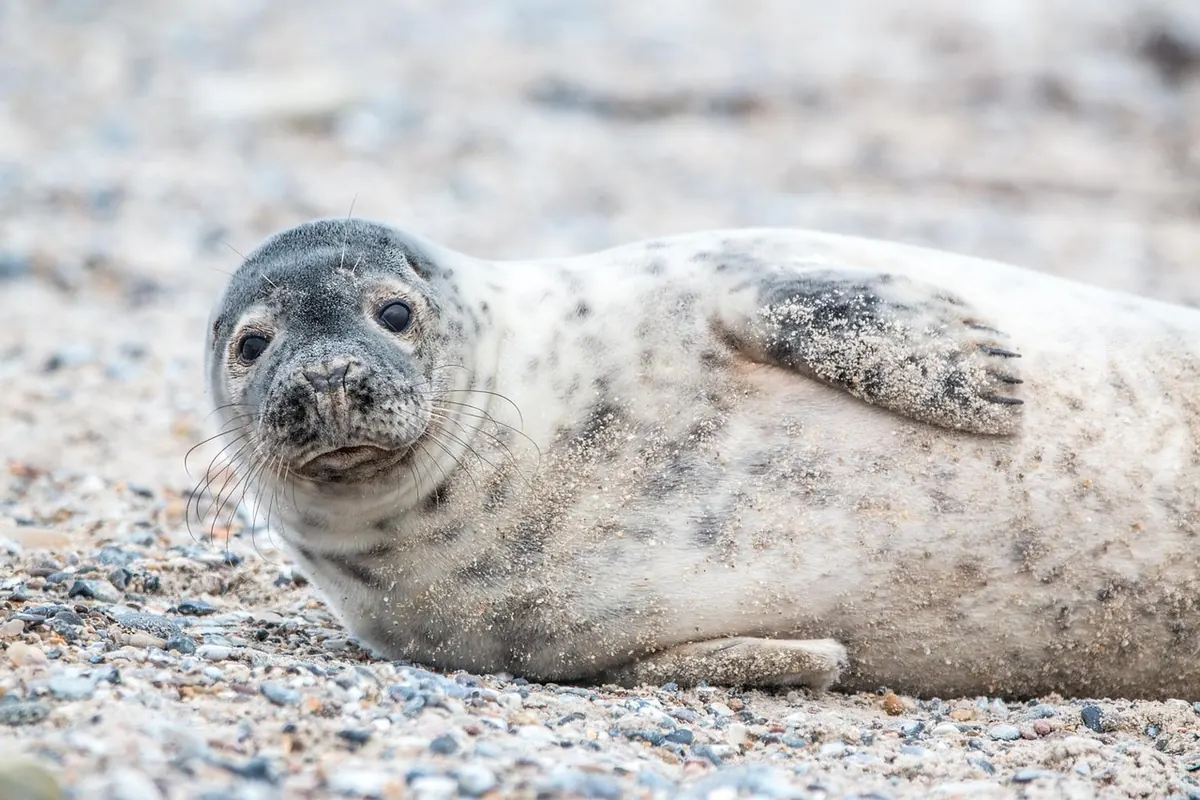
If you find a drum, canister or container of unknown liquid, don't move it and don't open it. Note the location and report it. The same goes for dead seabirds, seals or other marine life — keep your distance, keep the dog away, and report it to your local council or the relevant authority rather than handling it yourself.
Keep any cuts covered with a waterproof plaster while you work, wash your hands before eating or drinking, and use sanitiser in the meantime. If you do get cut or scratched on something sharp, clean it properly afterwards and check that your tetanus protection is up to date — your GP surgery can advise. Seek medical advice if a wound becomes hot, swollen or painful.
The temptation is to drag one bulging bag up the beach and sort it at the bin. Don't. Sorting on site takes minutes; sorting a mixed, wet, smelly bag later takes an age and usually ends with everything going to landfill.
Carry three containers if you can manage them:
Be realistic about the first two. Much of what washes up has been in the sea for years, is brittle, discoloured and tangled with organic matter, and won't be accepted for recycling. Check with the clean's organisers before you commit anything to the recycling pile — one contaminated bag can spoil a whole load.
Fishing gear deserves its own pile. Nets, line, rope, floats and crates are often the biggest and heaviest things on the beach, and frequently the most dangerous to wildlife. If you can't carry it, mark the spot and flag it to the organisers, who may have a plan for the heavy stuff.
And leave natural material where it is. Seaweed, driftwood, shells, cuttlefish bones and dead marine life are part of the beach, not litter. Sand hoppers need the seaweed; birds need the carrion. Take the plastic, leave the rest.
A bag of litter behind a bin is a good deed. A bag of litter that's been counted, weighed and logged is evidence. That's what changes rules on wet wipes, plastic pellets and single-use packaging.
Keep it simple. Note the date, the beach, roughly how far you covered, how many people took part and how long you worked. Then count by category rather than itemising every crisp packet: number of drinks containers, number of wet wipes, number of cotton bud sticks, handfuls of nurdles, metres of rope, and so on. Photograph anything odd or unidentifiable, and note the brand name on recognisable packaging — brand audits are used to press manufacturers to change.
If you're cleaning as part of a national survey, the organisers will give you a form or an app. Fill it in on the day, while you still remember where you found things.
Wash your hands properly with soap and water as soon as you can, and rinse your gloves, picker and containers before they go back in the car or the shed. Check your clothing for ticks if you've been through dune grass, and clean any cuts properly.
Then do the small thing that makes the biggest difference: leave your kit by the door. Bags, gloves and picker together, ready to go. The next clean is usually a spur-of-the-moment decision on a bright morning, and the people who do it most are the ones who don't have to hunt for their gloves.
Photo: danielkirsch / Pixabay